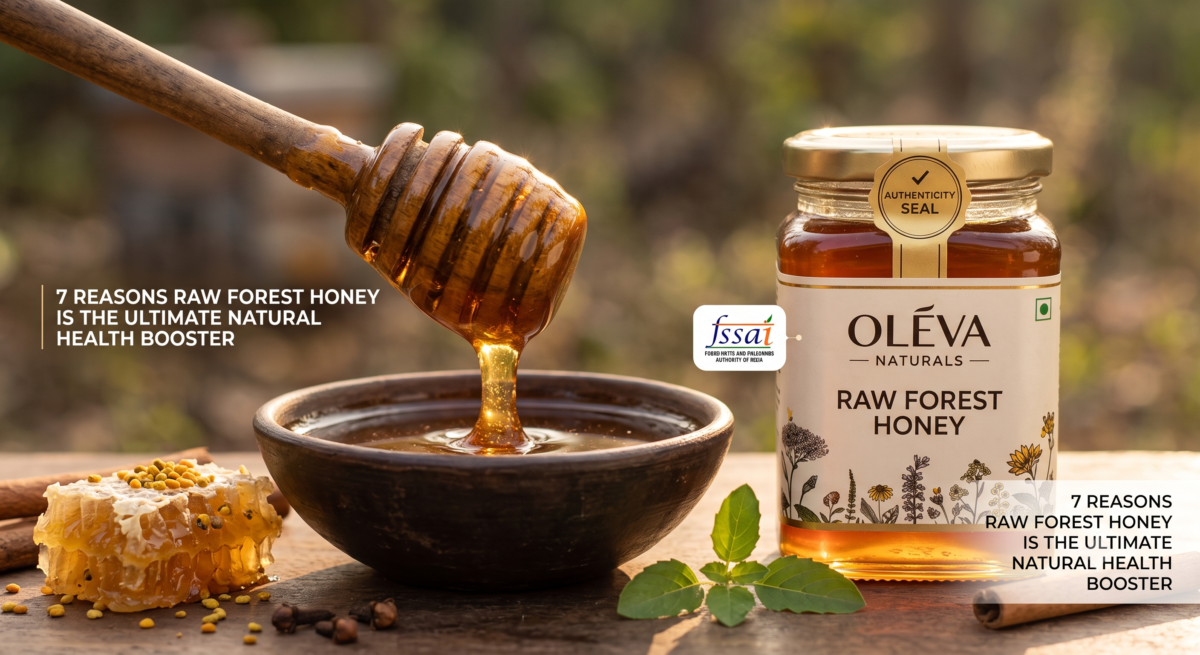
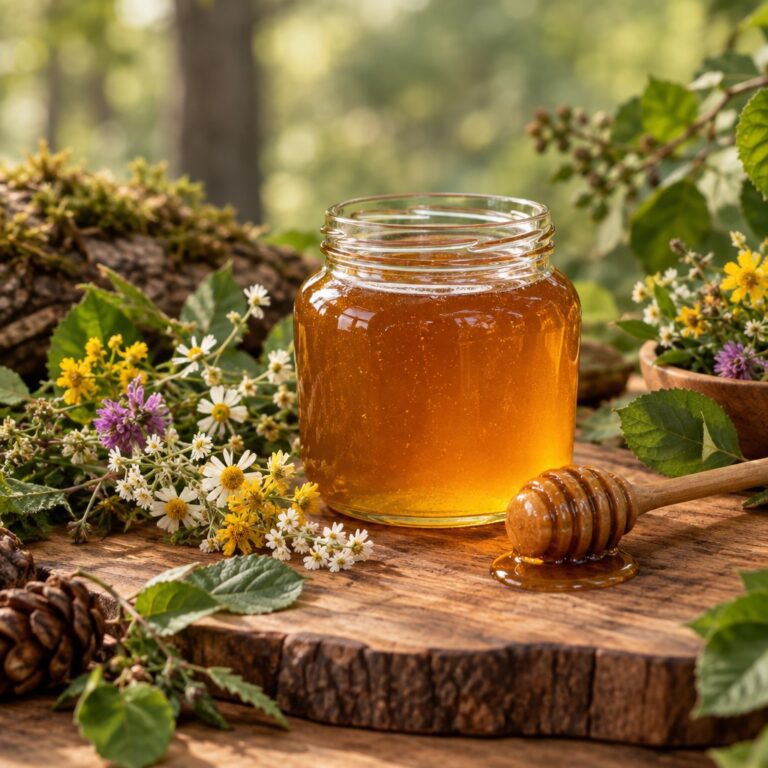
Raw forest honey is valued for its distinctive flavour, natural variation and connection to diverse forest vegetation.
Unlike honey associated with a single floral source, forest honey can reflect nectar collected from different flowering plants and trees within a natural environment. That can result in a richer colour, stronger aroma and more complex taste.
But what does “raw forest honey” actually mean, and how should you choose and use it?
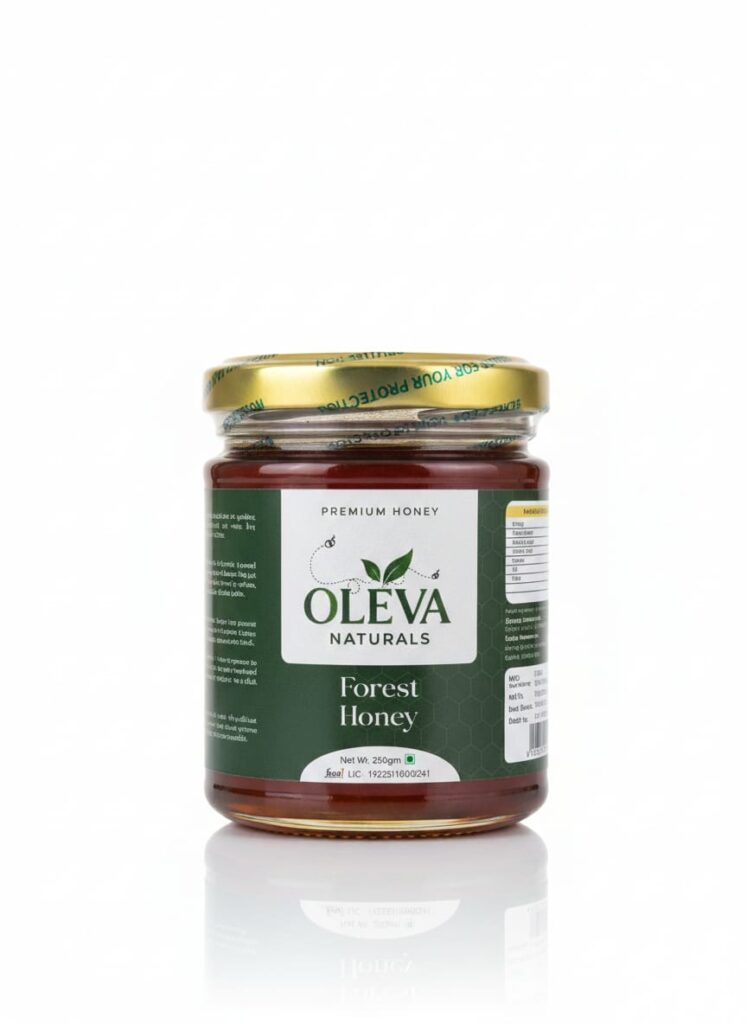
What Is Raw Forest Honey?
Forest honey is associated with bees foraging in forest environments where nectar sources can be diverse.
The word raw generally describes honey that has undergone limited processing rather than intensive heating.
Because honey is an agricultural product, individual batches can naturally vary in colour, aroma, thickness, flavour and crystallisation behaviour. These variations are not automatically signs of poor quality.
What Does Forest Honey Taste Like?
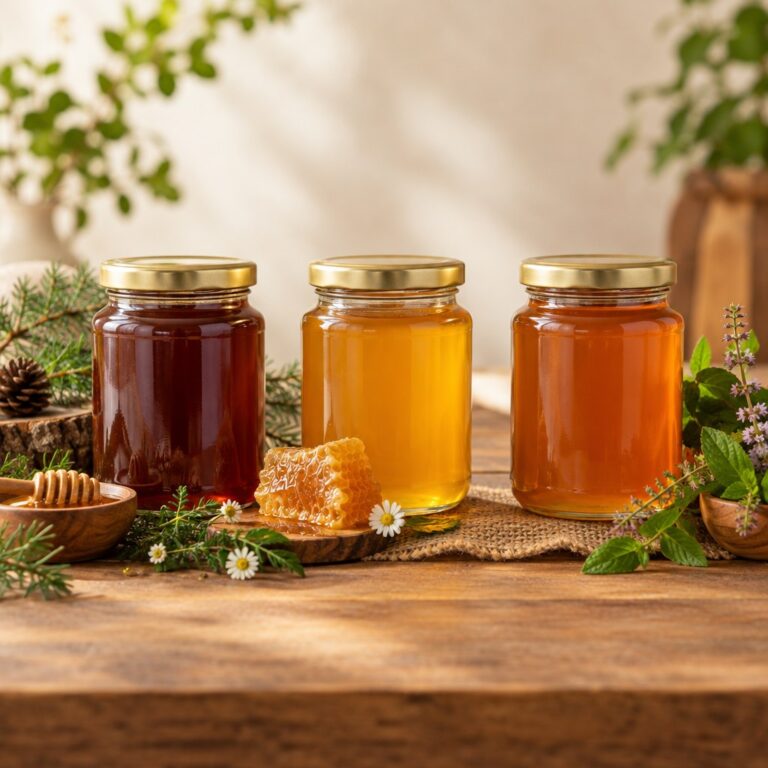
Forest honey often has a deeper and more pronounced flavour than lighter honey varieties.
- Rich sweetness
- Stronger aroma
- Slightly earthy or floral notes
- A darker appearance
- Natural differences between batches
People who prefer a bold honey flavour may find forest honey particularly appealing.
What Are the Practical Benefits of Forest Honey?
When discussing forest honey benefits, it is better to focus on practical food uses rather than treating honey as medicine.
- A richer flavour than many lighter honey varieties
- An alternative sweetener for selected foods and drinks
- Versatility across breakfast, tea, dressings and marinades
- Natural variation in taste and colour based on forest forage
- Easy everyday use without special preparation
Honey still contains naturally occurring sugars, so moderation remains appropriate.
1. A natural sweetener
Forest honey can be used instead of refined sugar in selected foods and drinks.
2. Strong flavour
Its richer taste can make it especially suitable for tea, toast and breakfast foods where you want the honey itself to be noticeable.
3. Versatile in recipes
- Breakfast bowls
- Oats
- Toast
- Smoothies
- Salad dressings
- Marinades
- Selected desserts
4. Easy to use
A small quantity can be added directly to food without special preparation. Honey still contains naturally occurring sugars, so moderation remains appropriate.
Raw Forest Honey vs Regular Honey
The biggest differences usually involve source, flavour and processing.
Forest honey reflects forest forage and may have a stronger flavour. “Raw” generally refers to limited processing. Regular commercial honey can vary significantly in source and processing, so the best approach is to read the individual product label rather than assume all supermarket honey is the same.
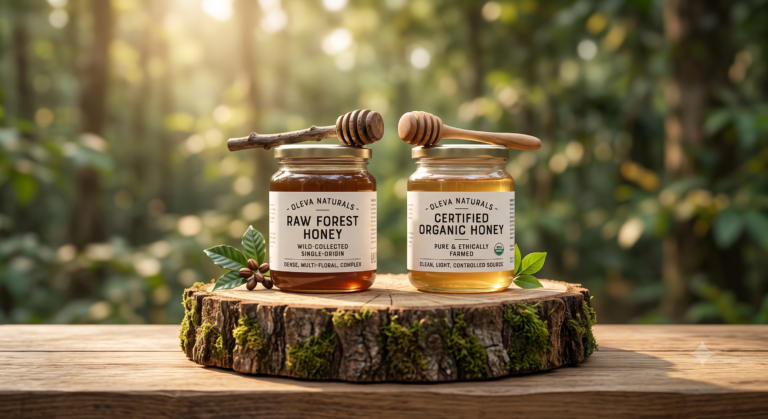
If you are comparing varieties, read our Forest Honey vs Organic Honey guide.
Forest Honey vs Wild Forest Honey
The terms often overlap in everyday marketing, but they are not necessarily identical labels.
Forest honey broadly refers to honey associated with bees foraging in forest environments.
Wild forest honey is often used to emphasize more natural or diverse forest forage.
Because terminology can vary by producer, buyers should rely on the actual product description, source information and processing details rather than the name alone.
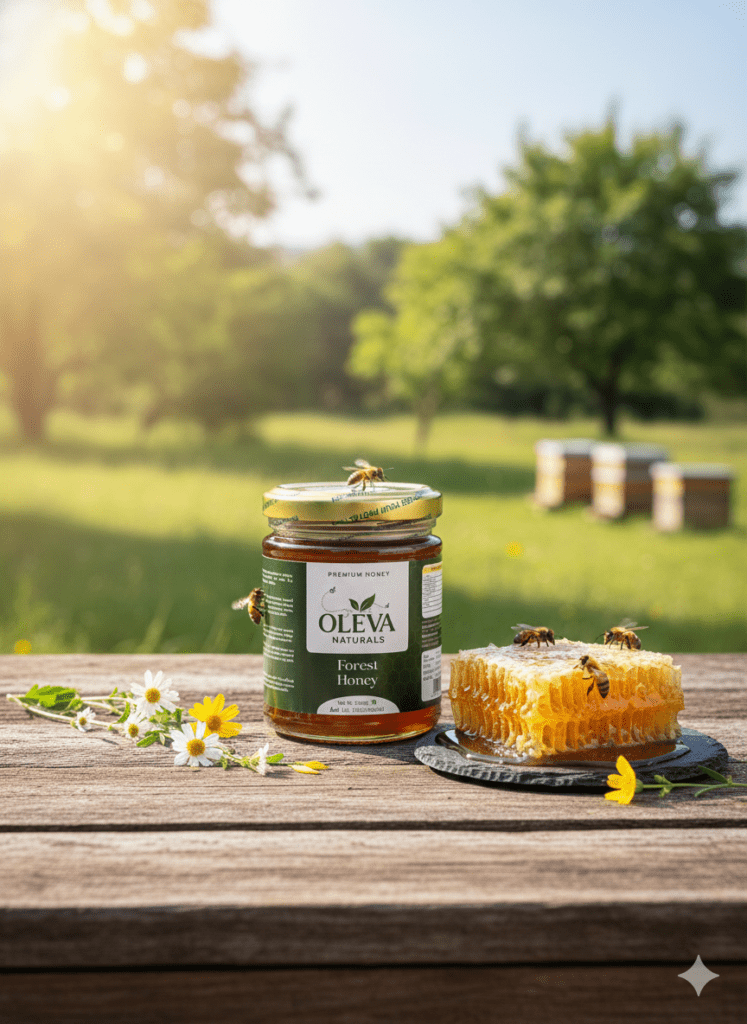
Does Raw Forest Honey Crystallise?
Yes. Honey can naturally crystallise over time. Temperature, floral source and natural sugar composition can all affect the process.
Crystallisation alone does not prove that honey is fake, spoiled or exceptionally pure.
For more information, read How to Check Pure Honey at Home: 5 Common Tests Explained.
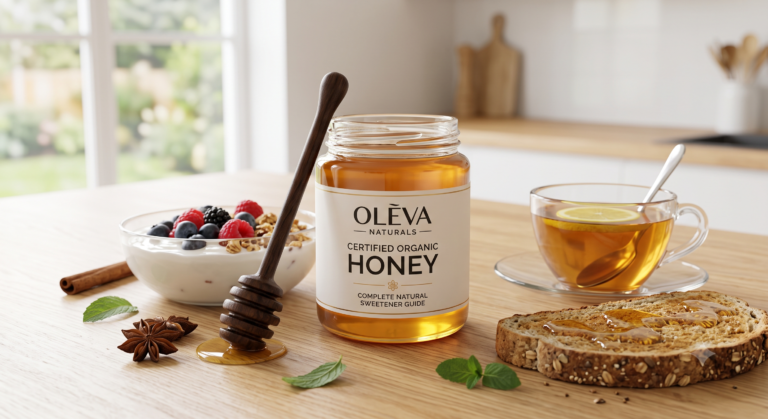
How to Use Forest Honey
- Tea: Add a small amount for a richer sweetness.
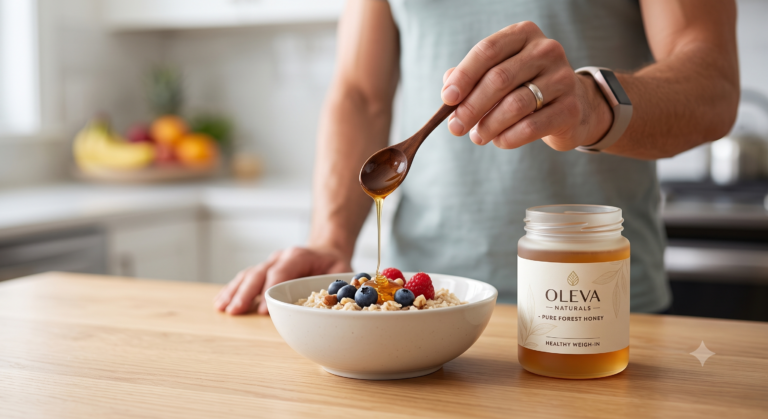
- Breakfast: Drizzle over oats, toast, yogurt or fruit.
- Smoothies: Use when additional sweetness is required.
- Dressings: Combine with ingredients such as mustard, lemon or vinegar.
- Marinades: Honey can add sweetness and help balance savoury flavours.
How to Choose Quality Forest Honey
Ingredient information
Understand exactly what the jar contains.
Source transparency
A good brand should clearly describe the product and its source.
Packaging
The container should be properly sealed and labelled.
Natural variation
Do not reject honey simply because its colour or texture changes between batches.
Brand information
Choose sellers that provide clear product information rather than relying only on exaggerated wellness claims.
Explore Oleva Naturals Forest Honey
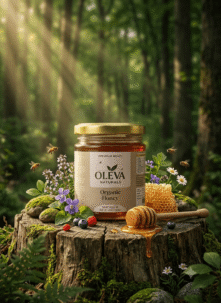
If you prefer a richer honey flavour, Oleva Naturals Forest Raw Honey is available in 250 g, 500 g and 1 kg options.
Frequently Asked Questions
What are the benefits of forest honey?
Its main practical benefits are its distinctive flavour, versatility as a sweetener and suitability for tea, breakfast foods, dressings and recipes.
Is forest honey better than regular honey?
Not automatically. The better choice depends on source, flavour, processing, intended use and personal preference.
Is raw forest honey the same as wild forest honey?
Not necessarily. “Raw” generally refers to processing, while “wild forest” primarily describes sourcing or forage.
What makes forest honey different?
Its bees forage from diverse forest vegetation, which can create a distinctive flavour and aroma.
Is darker honey always better?
No. Colour depends heavily on floral source and should not be used alone to judge quality.
Can forest honey crystallise?
Yes. Crystallisation is a normal process in many honey varieties.
Can forest honey be used every day?
It can be included as a sweetener in a normal diet in moderate amounts.
Is forest honey medicine?
No. Honey is a food product and should not be presented as a replacement for medical care.
One Comment