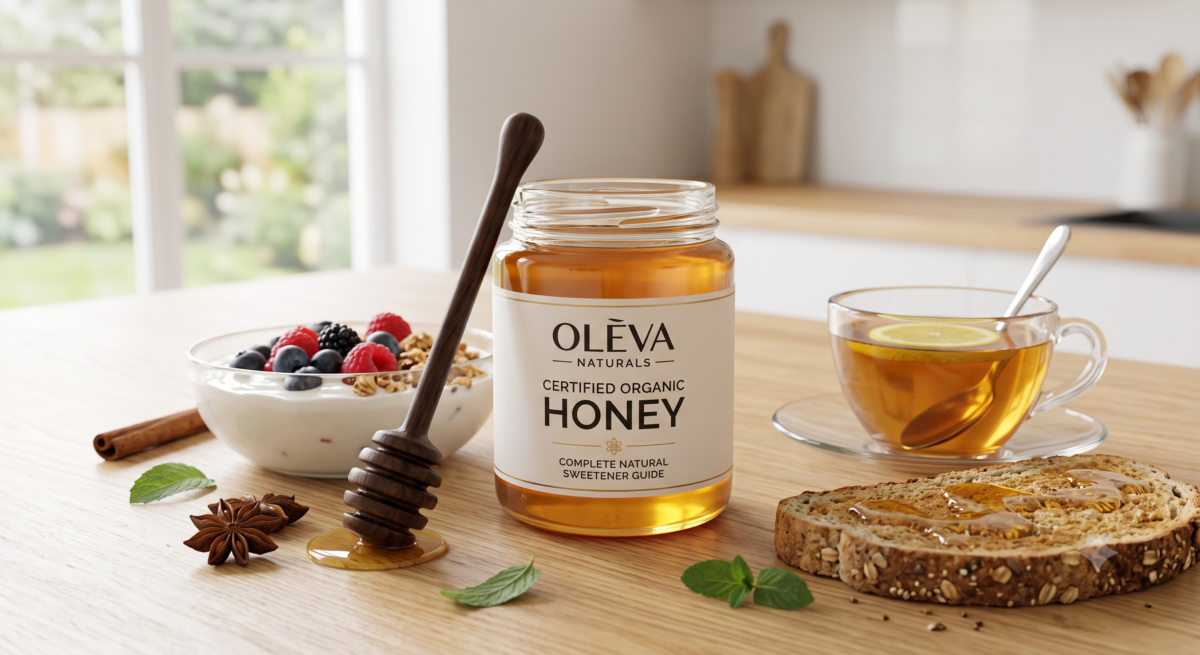
Organic honey is increasingly chosen by consumers who pay closer attention to food sourcing, ingredient labels and production practices.
But the word “organic” alone should not be the only reason to choose a jar of honey. Taste, source information, packaging, certification details where applicable and how you intend to use the honey are also important.
This guide explains the practical benefits and uses of organic honey and what to check before buying.
What Is Organic Honey?
Organic honey generally refers to honey produced under applicable organic production requirements.
Because certification requirements can vary, consumers should check the label and any certification information provided with the individual product rather than assuming all products marketed as honey meet the same standards.
At its core, honey remains a naturally sweet food produced by bees from floral sources.

Organic Honey Benefits for Everyday Use
The most practical organic honey benefits relate to its versatility as a food.
1. Natural sweetness
Honey can be used as an alternative sweetener in selected foods and drinks.
- Tea
- Toast
- Oats
- Yogurt
- Smoothies
- Breakfast bowls
It should still be consumed in moderation because honey contains naturally occurring sugars.
2. Versatile in recipes
- Salad dressings
- Marinades
- Homemade sauces
- Baking
- Breakfast recipes
- Beverages
Its sweetness can complement both sweet and savoury foods.
3. Easy to use
One advantage of honey is simplicity. You do not need special preparation. A small quantity can be added directly to foods or used while cooking.
Organic Honey vs Raw Honey
These terms describe different things and should not automatically be used interchangeably.
Organic generally relates to how a product is produced and the standards it follows.
Raw honey generally refers to honey that has undergone limited processing.
A honey may be described using one or both terms depending on the actual product. Always read the manufacturer’s label rather than relying only on marketing terminology.
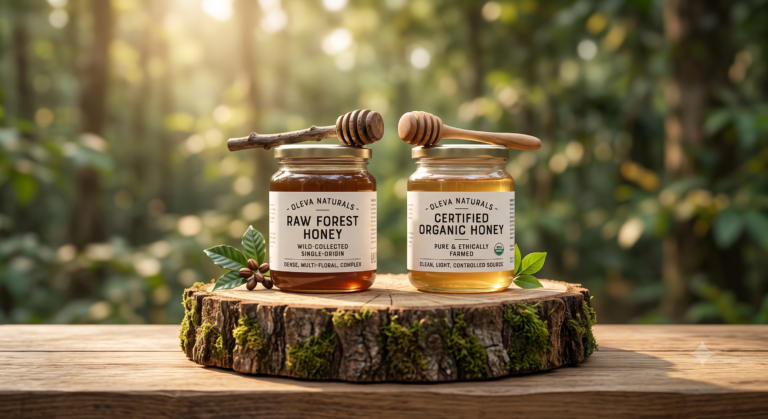
Organic Honey vs Forest Honey
Forest honey is generally associated with bees foraging from vegetation in forest environments. Organic honey relates more closely to production standards and sourcing requirements.
Flavour can also differ. Forest honey may have a deeper or more robust flavour, while organic honey’s taste depends heavily on its floral source.
Read our Forest Honey vs Organic Honey comparison for a more detailed breakdown.
How to Use Organic Honey
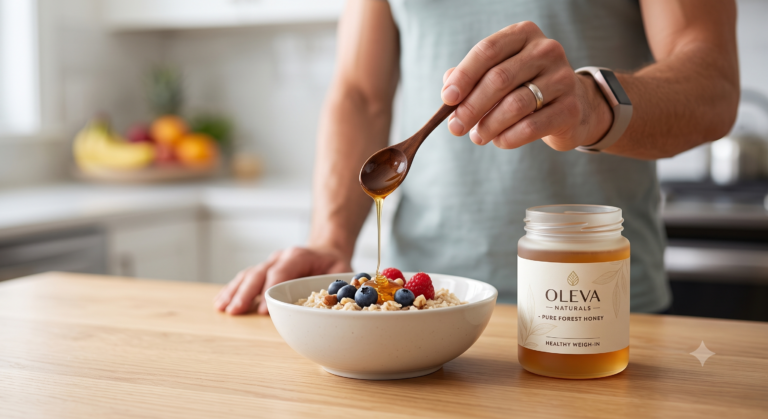
With breakfast
Drizzle a small amount over oats, toast, fruit, pancakes or yogurt.
In tea and beverages
Honey can add sweetness to herbal tea and other drinks.
In smoothies
Use it when a recipe needs additional sweetness.
In cooking
Try honey in marinades, dressings or sauces.
In baking
Honey can be used in selected recipes, although substituting it for sugar may require recipe adjustments because it also adds moisture.
Does Organic Honey Crystallise?
Yes, honey can crystallise naturally. The speed and texture of crystallisation depend on its natural sugar composition, temperature and floral source.
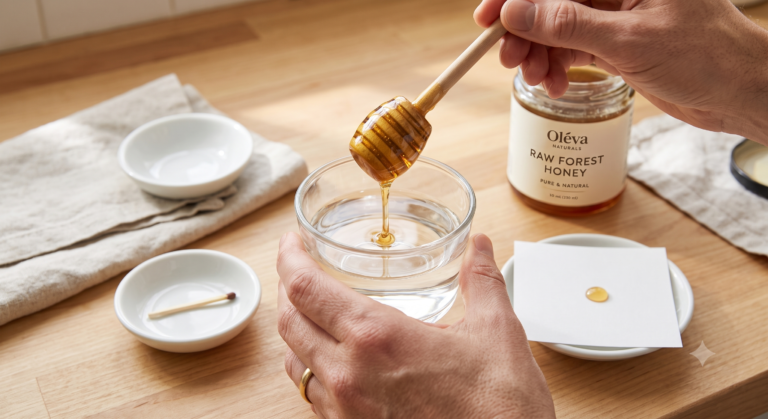
Crystallisation alone does not prove that honey is fake or spoiled. This is also why common home tests should not be treated as scientifically reliable methods for establishing honey purity.
Read How to Check Pure Honey at Home: 5 Common Tests Explained for more information.
How to Choose Quality Organic Honey
Read the ingredient label
Understand exactly what the jar contains.
Look at the source information
Brands should provide useful information about their product rather than relying only on broad claims.
Check organic certification information
When organic certification matters to your purchase decision, look for the certification details applicable to that specific product.
Check packaging
The product should be properly sealed and labelled.
Do not judge purity only by colour
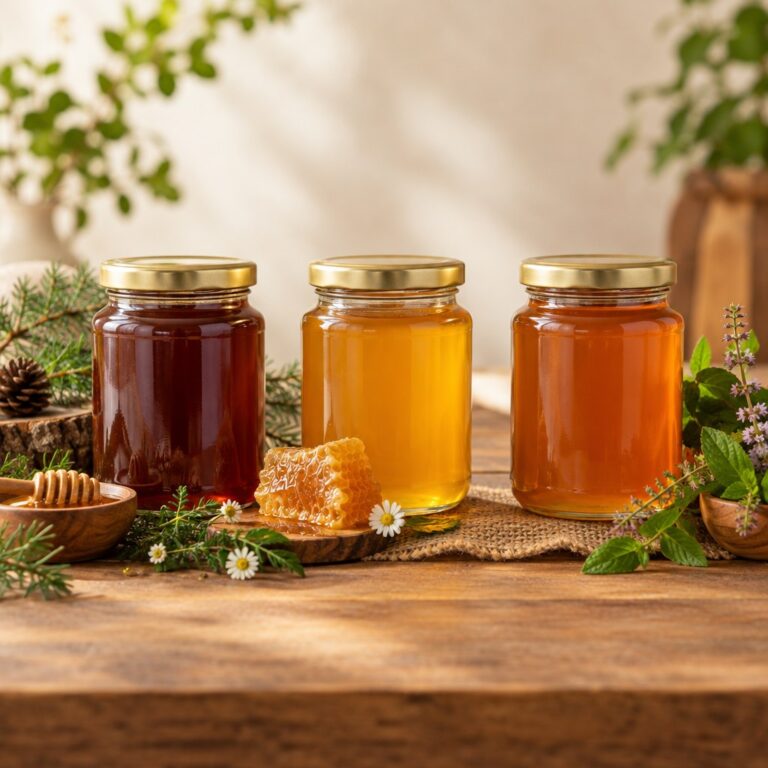
Honey naturally comes in different colours and textures according to floral source and other factors.
How to Store Honey
- At room temperature
- Away from direct sunlight
- Away from excess moisture
- In a tightly closed container
Refrigeration is generally unnecessary and can encourage crystallisation.
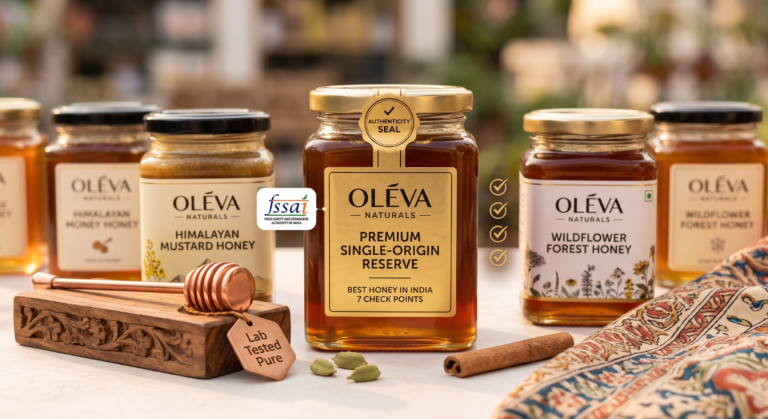
Explore Oleva Naturals Organic Honey
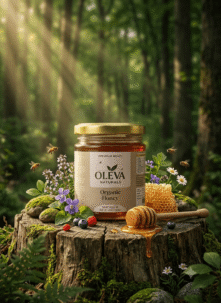
Oleva Naturals Organic Honey is available for customers looking for a versatile honey for beverages, breakfast foods and everyday recipes.
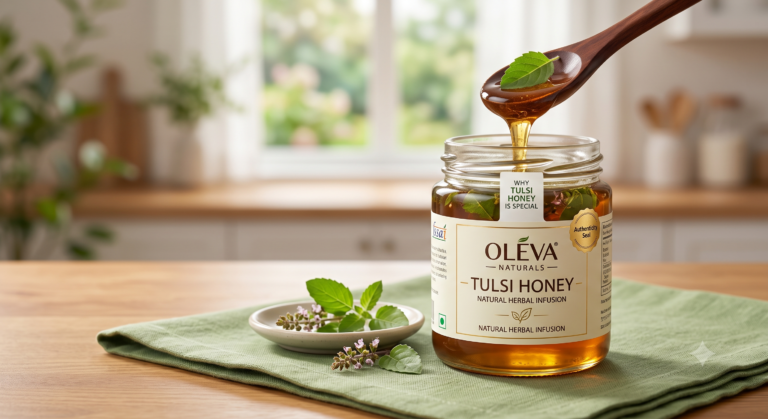
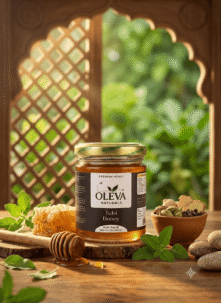
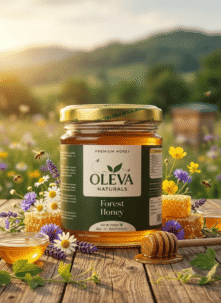
You may also want to compare it with Oleva Forest Honey and Oleva Tulsi Honey before deciding which flavour suits your household best.
Frequently Asked Questions
What are the main organic honey benefits?
Its practical advantages include natural sweetness, versatility and ease of use across foods, beverages and recipes.
Is organic honey better than other honey?
Not automatically. Source, taste, processing, certification and individual preferences all matter.
Can organic honey crystallise?
Yes. Crystallisation is a normal natural process in many types of honey.
Can I use organic honey every day?
It can be included in a normal diet in moderate amounts.
How should I store organic honey?
Keep it tightly sealed at room temperature and away from direct sunlight and moisture.
One Comment