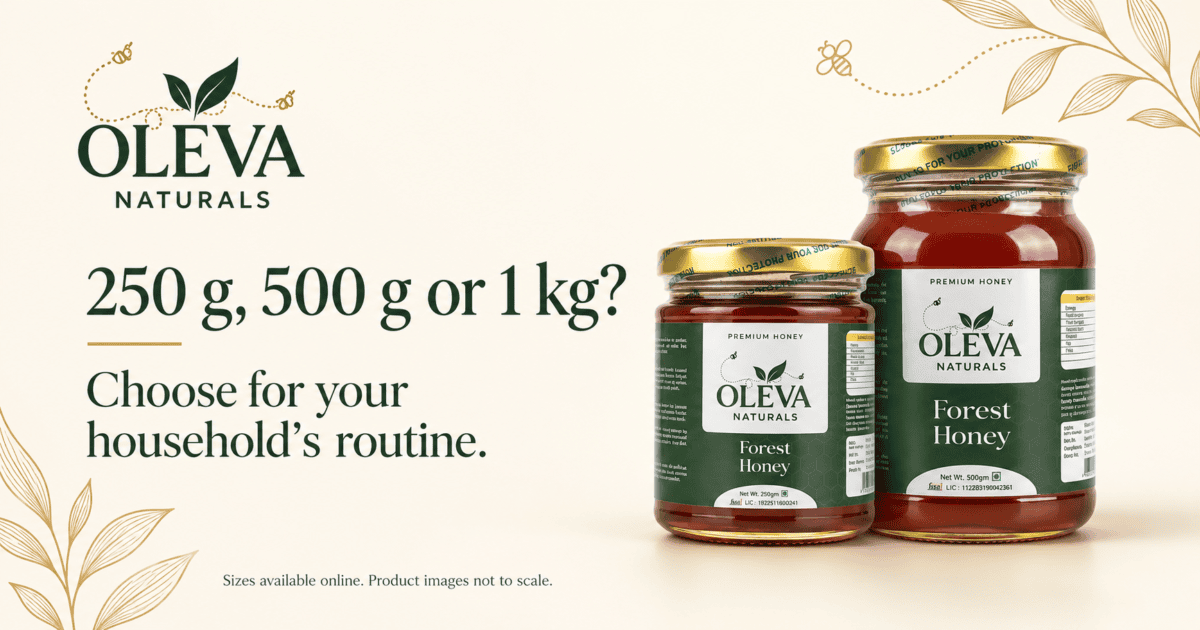
Choosing honey involves a practical question that can be easy to overlook: how much do you actually need? A 250 g jar, a 500 g jar and a 1 kg jar can each suit a different household. The useful starting point is your routine, rather than the largest pack on the shelf.
Think about the people who will share the jar, how often it will be opened and whether you already know the flavour. Then compare the available sizes using the current product page. This helps you choose an amount that fits your cupboard and shopping habits without assuming that a bigger pack always offers a lower unit price.
Start with your existing routine
Look back at the last few weeks. Was honey an occasional ingredient, something used several times a week, or a jar shared regularly by several people? There is no need to invent a daily serving target. What matters for shopping is your household’s actual pattern.
If you are trying an unfamiliar product, a smaller jar limits the amount you commit to before deciding whether you enjoy it. If several people already share the same honey, a larger size may reduce how often you need to reorder. Both are sensible reasons; neither makes one size universally better.
When a 250 g jar makes sense
A 250 g jar can be a practical first purchase when you want to explore a flavour or use honey only occasionally. It also takes up less space than a larger pack, which may matter in a shared or compact kitchen.
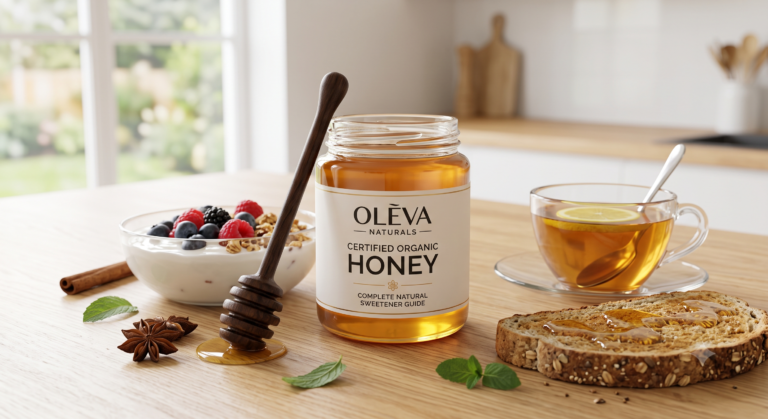
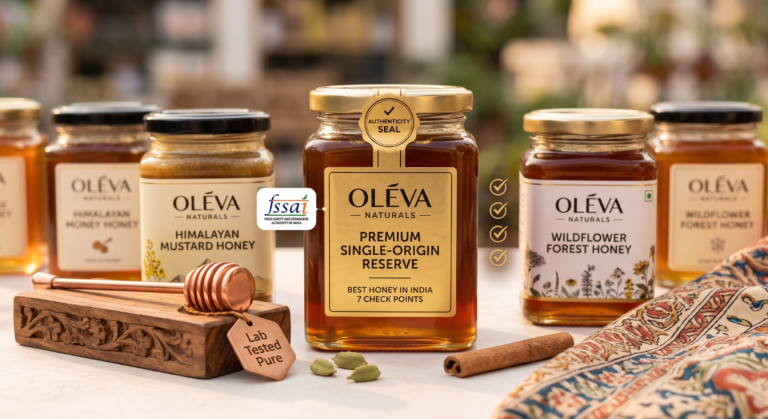
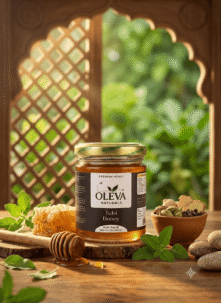
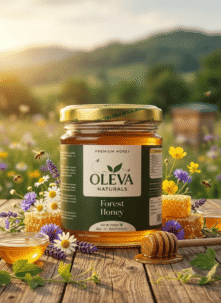
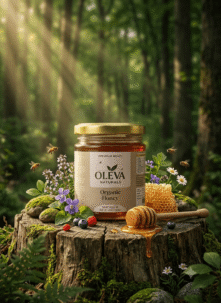
Oleva Naturals currently lists 250 g options for Organic Honey, Forest Honey and Tulsi Infused Honey. Choose the product for its stated description and your preferences. The size itself does not establish anything about quality, authenticity or a health benefit.
When to consider 500 g
The middle size is worth comparing when you already know the product and would prefer fewer repeat purchases than a smaller jar requires. Before ordering, check where the jar will stand and whether the household finds it convenient to handle.
Do not assume that the middle option must deliver a particular saving. Use the selected variant’s price, rather than a product page’s starting price, because the amount shown can change when you choose a weight.
What to check before choosing 1 kg
A 1 kg jar may suit a household that already uses the same honey regularly. It is still worth checking storage space, the pack’s handling instructions and how comfortably people can lift and use it.
Avoid buying extra simply to reach a larger pack size. Read the label for storage and date information and decide whether that quantity fits your expected use. If you would rather try a different flavour next time, buying less now may give you more flexibility.
Compare the actual price per 100 g
To compare sizes, divide the listed price by the weight in grams and multiply by 100. For example, the Forest Honey prices checked on 21 October 2026 were Rs 330 for 250 g, Rs 630 for 500 g and Rs 1,150 for 1 kg. Those work out to Rs 132, Rs 126 and Rs 115 per 100 g respectively, before delivery or coupon adjustments.
Check each product separately. The same pattern need not apply to another range, and an attractive unit price is useful only if the quantity suits you. Review the final cart total as well, including delivery and any applicable offer conditions.
Make a short shopping decision
Before checking out, answer three questions: do we already know this flavour, how frequently will we use it, and where will we keep the jar? Compare the available weights against those answers.
Explore Oleva Naturals’ Organic Honey, Forest Honey and Tulsi Infused Honey through these product links. Select the required weight on the product page and check the current price before placing your order. The right jar size is the one that fits your household’s real use and budget.